Five Minutes to Fearless: Quick Sprints for Confident Speaking
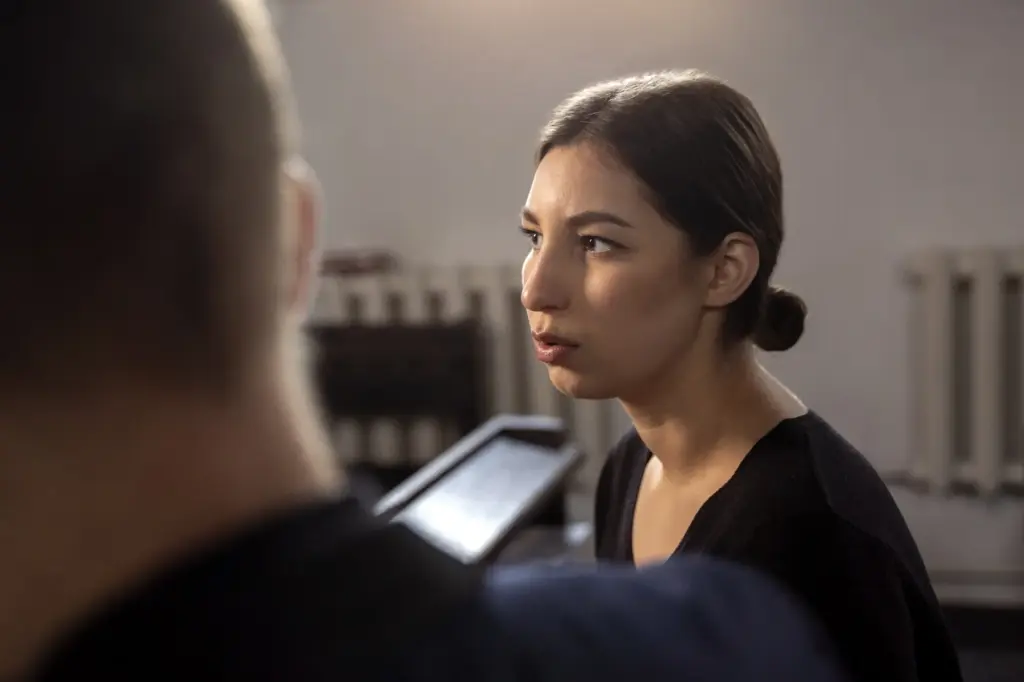

Step into fast, focused five‑minute public speaking sprints designed to conquer stage nerves and boost presence. We’ll blend science, coaching practice, and tiny daily challenges so you can breathe deeper, steady your voice, and speak clearly under pressure, even when the spotlight feels uncomfortably bright.

Why Five Minutes Works

Short, time‑boxed efforts reduce overwhelm and train fast decision‑making. Five minutes aligns with attention rhythms, keeps stakes low, and builds repetition without burnout. Research on stress recovery shows brief, intentional resets can calm the sympathetic surge while reinforcing confidence loops, turning scary uncertainty into manageable, repeatable wins you can stack day after day.

Tools That Fit in a Pocket

Rely on what you already carry: smartphone, earbuds, index cards, pen. With a timer and quick recorder, you can run a hook sprint on a bus stop bench or during a hallway break, stacking practice into life’s overlooked in‑between moments.

Prompts That Spark Clarity

Write ten universal prompts—introduce yourself, explain your role, persuade a skeptic, summarize a project, honor a teammate. Rotate them daily. Familiar frames build fluency fast, while repetition across contexts reveals filler words, pacing hiccups, and ideas worth expanding into fuller stories later.

Design Environments that Invite Action

Keep the mirror angled where you work, store cards by your keyboard, and pin a discrete cue near your coffee mug. When reminders live inside your routine, initiation costs drop dramatically, and practice begins before resistance remembers its arguments.

Breath, Body, Voice in Five

Confidence starts with physiology. In one tight circuit you can reset breathing, align posture, and free your voice. Slow exhales lower arousal, tall posture grants presence, and bright resonance carries authority. Practiced daily, these minutes rebuild automatic habits that stay reliable when adrenaline rises.

Micro-Rehearsals for Any Talk

Break content into three movable pieces—hook, core message, close—and rehearse them separately. Five‑minute loops let you rephrase, experiment with gestures, and test pacing. Recording quick takes builds a library of options, so your eventual delivery feels discovered, not memorized under pressure.

Hook Sprint: Grab Attention Fast

State a surprising stat, ask a vivid question, or paint a brief scene. Limit to twenty seconds and rehearse three variants. You’ll quickly sense which opening brightens eyes. Anchoring that moment reduces uncertainty later, freeing bandwidth for listening, timing, and adaptive storytelling. When Jamal tested three openings on a lunch break, the question version won instantly.

Message Sprint: Shape the Core

Use a simple spine: problem, insight, next step. Speak one crisp sentence for each, then expand to thirty seconds. Repeat with different wording. Clarity grows from contrast, and the best phrasing usually emerges after a few imperfect, fast passes that expose hidden complexity.

Handling Nerves on the Spot

Anxiety often peaks just before you begin. Use five‑minute rituals to channel jittery energy into clarity: breath cadence, grounding steps, and a single intent. Reframing arousal as readiness changes the story your brain tells, replacing danger alarms with cues of capability.

Pre-Stage Countdown Ritual

Walk a small rectangle backstage while matching inhales to steps and lengthening exhales. Repeat your opening sentence softly three times. Touch the lectern or your notes to anchor presence. When the cue arrives, your body recognizes a sequence and enters forward motion calmly.

Reframe the Rush

Label the sensation as excitement: fast heart, ready body, extra oxygen for sharp thinking. Say, “I’m excited to share something useful,” then breathe out slowly. This simple cognitive reappraisal consistently improves performance, helping nerves serve you instead of stealing your voice.

Recover Quickly After a Stumble

Pause, breathe out, and name the point you just made. Then continue with, “What matters next is…” Practicing micro‑resets in sprints builds poise under pressure, teaching your audience to trust you precisely because you handle small wobbles with grace.

Make It a Habit That Sticks

Consistency unlocks the real gains. Pair sprints with daily anchors like coffee, commuting, or shutdown routines, and track streaks publicly. Tiny accountability nudges build identity: you are the kind of person who practices out loud, celebrates progress, and invites feedback generously.
Attach a five‑minute drill to something you never skip—pouring tea, opening your calendar, or packing a bag. When the anchor happens, the sprint happens. The rule stays simple, survivable, and sustainable even on chaotic days when motivation hides under the couch.
Count filler words, note average words per minute, and time pauses at key moments. Track posture checks and breath cycles. Numbers reveal patterns your feelings miss, ensuring each sprint refines one variable deliberately instead of drifting through comfortable repetitions that plateau.
Invite a colleague or friend to exchange daily 300‑second recordings. Celebrate risks, not polish. When you normalize imperfect practice, courage grows. Ask readers below to share their favorite quick ritual, and subscribe together for weekly challenges that nudge momentum forward with playful accountability.
Temilorovelto
Privacy Overview

This website uses cookies so that we can provide you with the best user experience possible. Cookie information is stored in your browser and performs functions such as recognising you when you return to our website and helping our team to understand which sections of the website you find most interesting and useful.